
Tuskegee, AL Retirement Ceremony & Reception
Formal Invitation
Bio: Maj Gen Mark Brown (Ret)
Presiding Officer
Date: Friday, May 15th, 2026
Tour of the Tuskegee Airmen Museum
Time: 0900
Address: 1616 Chappie James Ave, Tuskegee, AL 36083
Pre-ceremony Group Picture
Time: 1030
Lifting the Veil of Ignorance Statue - adjacent to the chapel
Retirement Ceremony
Time: 1130
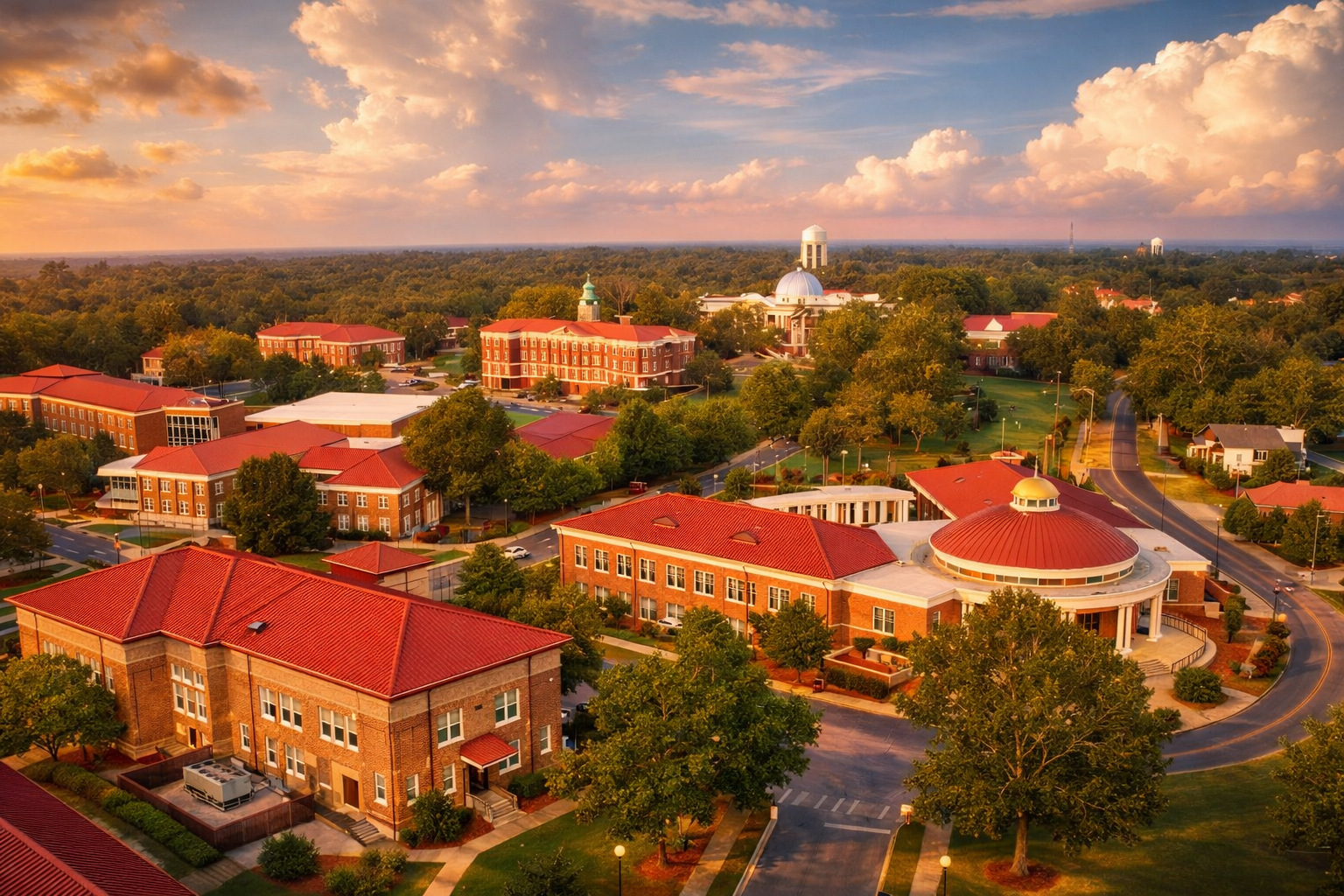
Location: Tuskegee University Chapel
Address: 1 Booker T Washington Blvd, Tuskegee, AL 36088
Attire: Uniform of the Day or Business Professional/Casual
President and CEO, Tuskegee University
Reception
Time: 1300
Location: Legacy Museum, Kennedy Hall
Address: 1 Benjamin F. Payton Drive, Tuskegee, AL 36088
Travel & Lodging
Airports
-
In Montgomery, AL, 40 miles away from Tuskegee.
-
In Birmingham, AL, about 100 miles from Tuskegee.
-
In Atlanta, GA, about 150 miles from Tuskegee.
Hotels near Tuskegee University
Things to Do Near Tuskegee



Tuskegee is home to General Adams. Both he and the town have a remarkable legacy of leadership, education, and service. Please take the time to explore the historic campus of Tuskegee University, the Tuskegee Airmen National Historic Site, and other landmarks that reflect the community’s profound contributions to American History.
Learn more about Tuskegee’s Historic Institutions and Legacy
-
Founded in 1881, the university is a historically Black institution that has played a pivotal role in advancing education, leadership, and innovation. It has produced generations of leaders whose impact spans military service, science, business and public service.
-
This hospital served as a major teaching hospital for Tuskegee University and was instrumental in training Black medical professional in the early 20th century. It also became historically associated with significant public heath efforts in the region.
-
This study (1932-1972) was an unethical public health study conducted on Black men in Macon county without informed consent. Its legacy profoundly shaped modern medical ethics, including establishment of stricter protections for human subjects in research.
-
An American funk and soul music group formed at Tuskegee University in 1968. Their most successful period was in the late 70s/early 80s when Lionel Richie was the co-lead singer. "Easy” from 1977 is one of their most popular songs.
-
A Tuskegee native who rose to international fame as a singer, songwriter, and performer. His most popular song is considered to be “All Night Long (All Night)” from 1983. His success highlights the city’s cultural influence beyond its historical and academic legacy.
-
The founding father of Tuskegee Institute (eventually Tuskegee University) and prominent educator and orator. He championed vocational education and economic self-reliance for African Americans during the late 19th and early 20th centuries.
-
A pioneering agricultural scientist at Tuskegee Institute known for his work in crop rotation and sustainable farming. His research significantly improved agricultural practices for farmers across the South.
-
Adams’ was a formerly enslaved man. He founded Tuskegee Institute, alongside Booker T. Washington. His leadership and vision helped establish on of the most influential educational institutions in history.
-
The first Black general officer in the Air National Guard and a Tuskegee University graduate. His career reflects the enduring legacy of Tuskegee in developing military leaders.
-
The first Black agricultural extension agent in the US, working through Tuskegee Institute to support rural farmers. His efforts advanced agricultural education and economic development in the region.
-
A Tuskegee based attorney whose legal work supported civil rights efforts and community advocacy in Macon county and surrounding areas. He was part of a generation of Black legal professionals who helped expand access to justice during a critical period of social change in the South.
-
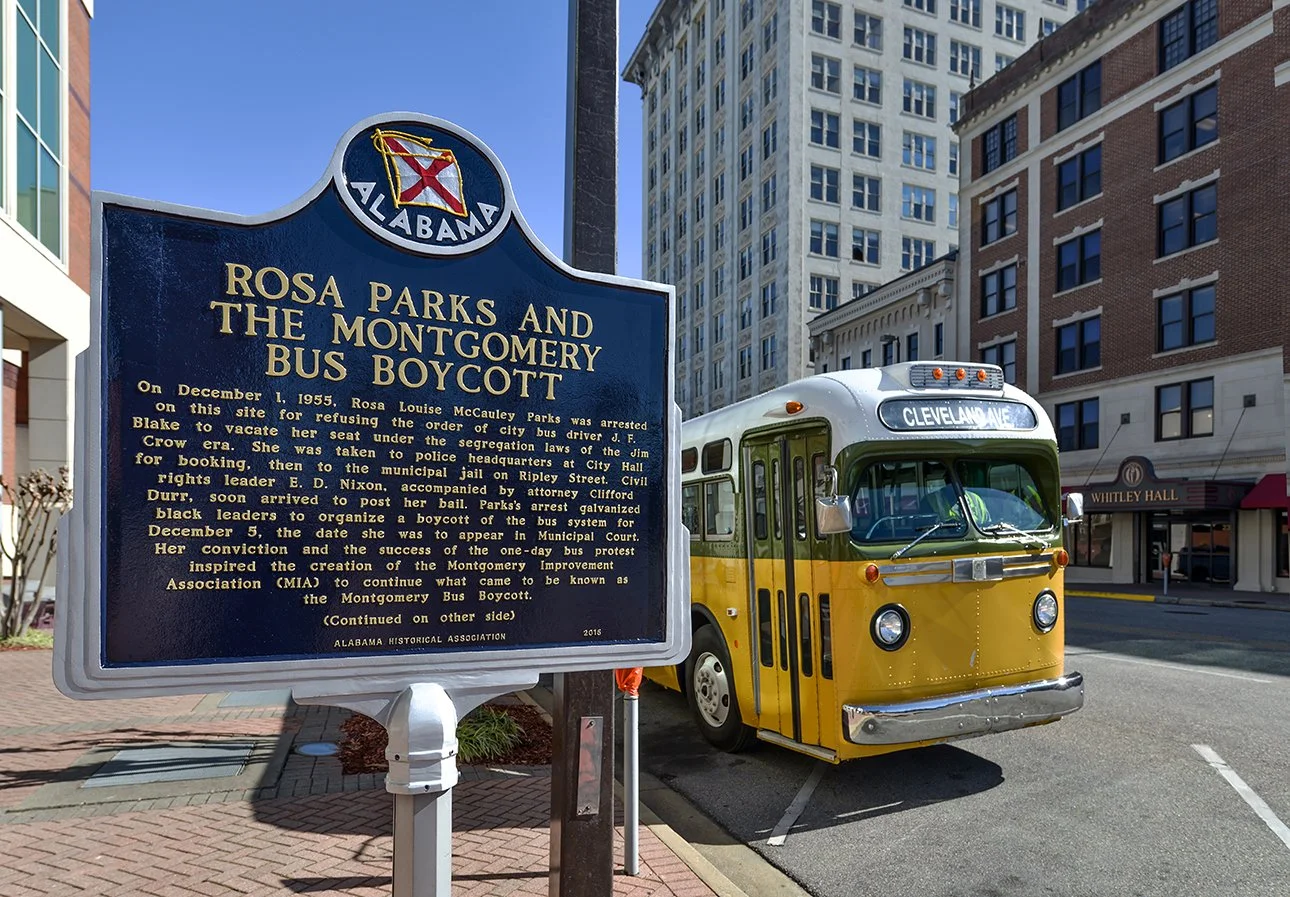
A prominent civil rights attorney from Tuskegee who played a key role in landmark cases that advanced civil rights in the United States. He is best known for representing Martin Luther King Jr. and Rosa Parks during the 1955-56 Montgomery Bus Boycott.